




Introduction: Why Puerto Rico Captivates the World Today
Puerto Rico shines as an island that effortlessly combines history, natural beauty, and vibrant culture. Its magnetic pull draws travelers, historians, and adventurers, all eager to experience the unique blend of Caribbean warmth and cosmopolitan energy. From lush rainforests to lively city streets, Puerto Rico offers endless surprises for those willing to look beyond the surface.
We find ourselves continually intrigued by the island’s dynamic present, shaped by centuries of change, resilient communities, and an unmistakable sense of pride. Let us share some of the most fascinating facts about Puerto Rico today, revealing why it continues to fascinate the world.
Where Is Puerto Rico? Location and Geography Explained
Puerto Rico is located in the northeastern Caribbean Sea, east of the Dominican Republic and west of the Virgin Islands. As the smallest of the Greater Antilles, its position is strategic for commerce, travel, and military history. The island’s proximity to both North and South America has made it a crossroads of cultures and peoples for centuries.
What Makes Puerto Rico’s Landscape Unique?
Puerto Rico’s landscape is a striking tapestry of mountains, rainforests, caves, and pristine beaches. The island’s topography shifts rapidly from coastal plains to lush highlands, offering a dramatic variety within a compact area. This diversity supports an astonishing range of flora and fauna, many of which are found nowhere else on earth.
Puerto Rico’s Beaches: Caribbean Gems
The island’s beaches are world-renowned, stretching from powdery white sands to rugged, wave-battered cliffs. Sunlight sparkles on turquoise waters, and gentle trade winds create a soothing backdrop. Whether you seek tranquil swimming coves or vibrant surf spots, Puerto Rico delivers a coastal experience for every taste. For those curious about the island’s most stunning shorelines, we recommend our detailed feature on the best beaches in Puerto Rico.
Mountains and Rainforests: Lush Natural Wonders
Inland, the Cordillera Central mountains rise majestically, cloaked in mist and lush greenery. The air grows cooler and fragrant with wildflowers as you ascend. El Yunque National Forest, the only tropical rainforest in the U.S. National Forest System, is a haven of rushing rivers, hidden waterfalls, and rare wildlife.
The Bioluminescent Bays: Nature’s Light Show
Puerto Rico is home to three of the world’s five bioluminescent bays, where microscopic organisms emit a magical blue-green glow when disturbed. Kayaking through these waters at night, surrounded by shimmering light, is an unforgettable sensory experience that feels almost otherworldly.
Puerto Rico’s Status: Is It a Country or a U.S. Territory?
Many people wonder whether Puerto Rico is an independent country or a part of the United States. The answer is nuanced: Puerto Rico is an unincorporated U.S. territory with a unique political status known as a commonwealth. This arrangement has profound effects on daily life, governance, and identity.
What Does Being a U.S. Commonwealth Mean?
As a commonwealth, Puerto Rico has its own constitution and exercises substantial local autonomy. However, it remains subject to the authority of the U.S. Congress, and federal laws generally apply, though some exceptions exist.
Political Rights and Citizenship
All Puerto Ricans are U.S. citizens by birth. They enjoy freedom of movement between the island and the mainland, access to federal programs, and the right to serve in the U.S. military.
Voting and Representation in the U.S.
While Puerto Ricans can vote in presidential primaries, they do not have voting representation in the U.S. Congress and cannot vote in general presidential elections unless residing on the mainland. This limited representation has sparked ongoing debates regarding fairness and self-determination.
The Ongoing Statehood Debate
The question of whether Puerto Rico should become a U.S. state, remain a territory, or pursue independence is a topic of passionate discussion. Multiple referendums have been held, but the issue remains unresolved, reflecting deep divisions and complex historical ties.
A Brief History of Puerto Rico
Puerto Rico’s story is a rich tapestry woven from indigenous roots, colonial conquest, and modern transformation. Each chapter has left a visible mark on the island’s culture, language, and traditions.
Indigenous Taíno Heritage
Before European contact, the island was home to the Taíno people, whose legacy endures in language, art, and place names. Their sophisticated societies thrived for centuries, cultivating crops, crafting tools, and developing spiritual beliefs centered on nature.
Spanish Colonization and Legacy
Christopher Columbus arrived in 1493, claiming the island for Spain and naming it San Juan Bautista. The Spanish era brought fortresses, churches, and a new social structure, while also introducing new crops, animals, and diseases. Despite centuries of colonization, elements of Taíno culture have survived, blending with Spanish influences.
The Spanish-American War and U.S. Acquisition
In 1898, the Spanish-American War ended with Puerto Rico ceded to the United States. This transition marked the beginning of a new political era, with rapid changes in governance, economy, and identity. For those drawn to lesser-known stories from this period, our post on hidden history and culture tours uncovers fascinating details.
Population and Demographics: Who Lives in Puerto Rico Today?
Puerto Rico’s population is a vibrant mosaic reflecting centuries of migration, colonization, and cultural exchange. Today, over three million people call the island home, each contributing to its dynamic character.
Ethnic Diversity and Cultural Fusion
The island’s residents are primarily of Spanish, African, and Taíno descent, resulting in a unique blend of traditions, music, and cuisine. This cultural fusion is evident in daily life, from festivals to family gatherings.
Languages Spoken: Spanish, English, and More
Spanish is the dominant language, spoken in homes, schools, and public life. English is also an official language, used in government and taught in schools. Many Puerto Ricans are bilingual, seamlessly switching between languages, while smaller communities speak additional languages brought by immigrants.
Religion and Spiritual Traditions
The majority of Puerto Ricans identify as Catholic, a legacy of Spanish rule. However, Protestant denominations and Afro-Caribbean spiritual practices also flourish, contributing to a rich religious landscape. Faith remains an important pillar of community life, shaping holidays, customs, and family rituals.
Puerto Rican Identity: What Makes Boricuas Unique?
A deep sense of identity unites Puerto Ricans, who proudly call themselves Boricuas, a name rooted in their indigenous heritage. This identity shines through in language, music, and everyday expressions of patriotism.
Cultural Symbols and National Pride
From vibrant murals to spirited festivals, symbols of Puerto Rican pride are everywhere. The flag, music, and local cuisine serve as daily reminders of a collective history and shared dreams.
The Meaning Behind the Puerto Rican Flag
The Puerto Rican flag features red and white stripes, a white star, and a blue triangle, symbolizing blood, peace, and the sky, respectively. It is a powerful emblem of unity and resilience, waved with energy during parades and protests alike.
Coquí: The Island’s Iconic Frog
The tiny coquí frog is an enduring symbol of the island. Its melodic nighttime calls fill the air, evoking nostalgia and belonging for Puerto Ricans everywhere. The coquí’s image appears in art, jewelry, and souvenirs, capturing the island’s spirit in miniature form.
Puerto Rico’s Economy: Key Industries and Surprising Facts
Puerto Rico’s economy is shaped by innovation, tradition, and resilience. Key sectors drive growth while presenting unique challenges and opportunities for the island’s future.
Tourism’s Impact and Growth
Tourism is a major economic engine, attracting millions of visitors each year to experience Puerto Rico’s natural wonders, rich culture, and warm hospitality. Hotels, restaurants, and adventure tours create jobs and stimulate development. For a deeper look at unique local excursions, our guide on hidden gems among top things to do in Puerto Rico offers inspiration for your next trip.
Pharmaceutical Manufacturing Hub
Puerto Rico is a global leader in pharmaceutical manufacturing, hosting some of the world’s largest pharmaceutical and biotech companies. The sector provides high-skilled employment and significant exports, making it a cornerstone of the island’s economy.
Agriculture: Coffee, Sugar, and Pineapples
Agriculture remains vital, particularly the cultivation of coffee, sugar cane, and pineapples. Puerto Rican coffee, grown in misty highland estates, is celebrated for its rich aroma and smooth flavor—a source of pride for local farmers and connoisseurs alike.
Economic Challenges and Opportunities
Despite strengths, Puerto Rico faces persistent challenges, including public debt, emigration, and recovery from natural disasters. Yet, innovation and entrepreneurship are on the rise, with local businesses and communities finding creative ways to build a brighter future.
Puerto Rican Cuisine: What Foods Are Must-Tries?
Puerto Rican cuisine is a feast for the senses, blending Spanish, African, and Taíno influences into unforgettable flavors. Every meal tells a story of resilience, creativity, and celebration.
Traditional Dishes: Mofongo, Lechón, and More
Signature dishes like mofongo—mashed plantains seasoned with garlic and pork cracklings—are beloved staples. Lechón, or spit-roasted pork, is a festive centerpiece, while hearty stews and savory fritters fill tables at family gatherings. To discover more about the island’s culinary treasures, we recommend our in-depth guide to Puerto Rico dishes you must try.
Unique Drinks: Piña Colada’s Birthplace
Puerto Rico proudly claims the piña colada as its own, blending fresh pineapple, creamy coconut, and rum into a cool, tropical delight. Locals also cherish drinks like coquito, a coconut eggnog enjoyed during the holidays.
Street Food Culture
Street vendors offer irresistible treats such as alcapurrias (fried stuffed fritters) and bacalaítos (crispy codfish pancakes). The aromas of sizzling foods and the sounds of friendly banter create a lively, communal atmosphere.
Festivals and Traditions: How Do Puerto Ricans Celebrate?
Celebrations in Puerto Rico burst with color, music, and energy, reflecting a deep love of life and community. Festivals unite families and neighbors in joyous traditions that span generations.
San Sebastián Street Festival
Held each January in Old San Juan, the San Sebastián Street Festival is a dazzling parade of music, dance, and art. Streets come alive with performers, artisans, and revelers, creating a sensory spectacle that lasts for days.
Christmas and Three Kings Day
The holiday season is the longest in the world, beginning in late November and ending with Three Kings Day in January. Festive lights, traditional foods, and heartfelt songs fill the air, bringing families together in celebration.
Carnivals and Parades
Carnivals feature elaborate costumes, rhythmic drums, and infectious laughter. Each town hosts its own unique festivities, often rooted in local legends and history.
Music and Dance: The Rhythms of Puerto Rico
Puerto Rico’s musical heritage pulses with energy. From street corners to grand stages, rhythms like salsa, reggaetón, and plena ignite the spirit of the island.
Salsa, Reggaetón, and Plena: Musical Roots
Salsa’s lively beats and reggaetón’s urban edge have traveled the world, but their roots remain deeply Puerto Rican. Plena, with its storytelling lyrics and infectious percussion, connects communities through shared experience.
Famous Puerto Rican Musicians
Icons such as Héctor Lavoe, Ricky Martin, and Bad Bunny have brought Puerto Rican music to global audiences, earning admiration for their artistry and cultural pride.
Traditional Dances Explained
From the intricate footwork of bomba to the passionate moves of salsa, dance is both a celebration and a way of telling stories in Puerto Rico. Each style reflects centuries of cultural exchange and innovation.
Language and Literature: Puerto Rico’s Artistic Voice
Literature and language are at the heart of Puerto Rican identity, providing powerful tools for self-expression and cultural preservation.
Influential Puerto Rican Writers and Poets
Writers like Rosario Ferré and Luis Rafael Sánchez have shaped Puerto Rican literature, exploring themes of identity, colonialism, and resilience. Their works, celebrated both locally and internationally, give voice to the island’s complexities.
Bilingualism: Spanish and English in Daily Life
Most Puerto Ricans are comfortable in both Spanish and English, reflecting the island’s history and modern realities. Bilingualism enriches education, media, and artistic expression, opening doors to the wider world while preserving local traditions.
Puerto Rico in Film and Popular Culture
Puerto Rico’s dramatic landscapes and vibrant cities have made it a favorite backdrop for filmmakers and artists seeking authenticity and atmosphere.
Hollywood Movies Filmed in Puerto Rico
Major productions such as Pirates of the Caribbean and Fast Five have filmed scenes on the island, showcasing its historic forts, lush jungles, and colorful streets to global audiences.
Puerto Rican Stars on the Global Stage
Actors, musicians, and athletes from Puerto Rico have achieved international fame, shaping perceptions of the island and inspiring future generations.
Spectacular Natural Wonders: What Can You Explore in Puerto Rico?
Puerto Rico’s natural wonders invite awe and adventure. The island’s protected parks and reserves shelter rare wildlife, ancient caves, and breathtaking vistas.
El Yunque National Forest: The Only U.S. Tropical Rainforest
El Yunque National Forest is a treasure trove of biodiversity, with cascading waterfalls, chirping coquí frogs, and mist-shrouded peaks. The forest’s trails lead visitors through a sensory wonderland of sound, fragrance, and color.
As experts often say:
“In every walk with nature, one receives far more than he seeks.” – John Muir
Cueva Ventana and Other Caves
Cueva Ventana, or “Window Cave,” offers panoramic views of the lush Arecibo Valley. Explorers can marvel at dramatic stalactites, ancient petroglyphs, and the cool hush of subterranean chambers.
Rare Wildlife and Endemic Species
Puerto Rico is home to unique species, from the endangered Puerto Rican amazon parrot to the elusive manatee. Conservation efforts protect these treasures for future generations.
San Juan: A City of History and Modernity
San Juan, Puerto Rico’s capital, is a vibrant mosaic of the old and the new. Cobblestone streets wind past centuries-old fortresses, while contemporary galleries and lively bars pulse with modern energy.
Old San Juan’s Colorful Streets and Fortresses
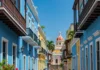
Walking through Old San Juan, visitors encounter pastel-hued houses, ornate balconies, and imposing stone walls. The city’s fortresses, including El Morro and San Cristóbal, stand as enduring testaments to Puerto Rico’s strategic importance and architectural skill.
For a deeper look at the city’s storied past, our post on hidden history and culture tours in San Juan is a valuable resource.
Contemporary Art and Nightlife Scene
San Juan’s art scene thrives in galleries, museums, and public spaces. After sunset, the city comes alive with live music, salsa dancing, and a welcoming nightlife that draws both locals and visitors.
Puerto Rico’s Unique Architecture: From Forts to Modern Marvels
Architecture in Puerto Rico reflects centuries of adaptation and creativity, blending colonial elegance with contemporary innovation.
Colonial Fortresses: El Morro and San Cristóbal
These iconic fortresses, with their massive stone walls and sweeping ocean views, have protected San Juan for centuries. Their labyrinthine tunnels and ramparts offer a tangible link to the island’s past.
Colorful Houses and Urban Murals
Neighborhoods like Santurce and Old San Juan are renowned for their colorful houses and bold street art. Murals burst with color and meaning, depicting local legends, heroes, and everyday life.
Education and Universities: How Is Puerto Rico Shaping Minds?
Education is highly valued in Puerto Rico, with a strong emphasis on academic achievement and cultural enrichment.
The University of Puerto Rico System
The University of Puerto Rico is the island’s premier public university, offering a wide range of programs and conducting important research. Its campuses are hubs of intellectual activity and social engagement.
Education Challenges and Achievements
Despite financial constraints and natural disasters, Puerto Rican students and educators demonstrate remarkable resilience. Achievements in science, the arts, and civic engagement highlight the island’s commitment to progress.
Science and Innovation: Puerto Rico’s Surprising Contributions
Puerto Rico’s contributions to science and technology are often overlooked, yet they have had a global impact in fields ranging from astronomy to medicine.
Arecibo Observatory: Legacy in Astronomy
Although the iconic Arecibo Observatory collapsed in 2020, its decades of astronomical discoveries continue to inspire scientists worldwide. The facility played a vital role in radio astronomy and planetary research.
Medical Research and Discoveries
Puerto Rican scientists have advanced research in tropical medicine, genetics, and pharmaceuticals. Their work supports global health initiatives and drives local innovation.
Sports in Puerto Rico: What Are the Island’s Favorite Pastimes?
Sports are a passionate pursuit in Puerto Rico, uniting communities and inspiring national pride.
Baseball Legends and Olympic Heroes
Baseball is the island’s favorite sport, producing legends like Roberto Clemente and a steady stream of Major League talent. Puerto Rican athletes also shine in the Olympics, bringing home medals in boxing, athletics, and more.
Basketball, Boxing, and Surfing
Basketball courts and boxing gyms are common in towns across the island. Surfing’s popularity is growing, with world-class waves on the west coast attracting athletes from around the globe.
Travel Tips: What Should Visitors Know About Puerto Rico Today?
Traveling to Puerto Rico is straightforward, but a few practical tips can help visitors make the most of their experience.
Entry Requirements and Travel Safety
U.S. citizens do not need a passport to visit Puerto Rico. The island is generally safe, though, as in any destination, it’s wise to exercise standard precautions and remain aware of your surroundings.
Best Times to Visit
The most pleasant weather occurs between December and April, with warm days and breezy evenings. Summer brings lush greenery and lively festivals, though it is also hurricane season.
Transportation and Getting Around
Rental cars, taxis, and public transportation are widely available. San Juan’s compact layout makes it easy to explore on foot, while rural areas may require a more flexible approach.
Environmental Challenges: How Is Puerto Rico Responding?
Puerto Rico faces significant environmental challenges, but innovative responses are building a more sustainable and resilient future.
Hurricane Recovery and Resilience
Hurricanes Maria and Irma left lasting scars, but communities have rallied to rebuild infrastructure, restore power, and strengthen emergency preparedness. Lessons learned are shaping new strategies for disaster response.
Renewable Energy Initiatives
Solar and wind energy projects are expanding, reducing reliance on imported fossil fuels. Local organizations and entrepreneurs are leading the charge toward a cleaner, more reliable energy future.
Conservation Efforts for Wildlife and Forests
Conservation groups work tirelessly to protect endangered species and restore habitats. Programs focus on reforestation, sustainable agriculture, and environmental education.
Puerto Rican Diaspora: Where Do Puerto Ricans Live Around the World?
Millions of Puerto Ricans have made homes outside the island, especially on the U.S. mainland. This diaspora maintains strong ties to Puerto Rico, enriching the cultures of their adopted communities.
Migration to the U.S. Mainland
Economic opportunities, education, and family connections motivate many Puerto Ricans to move to cities like New York, Orlando, and Chicago. Despite distance, connections to the island remain strong through remittances, visits, and cultural events.
Cultural Influence Abroad
Puerto Rican artists, musicians, and entrepreneurs have left their mark on global culture, sharing traditions and values with new audiences and building bridges between communities.
Famous Puerto Ricans Who Changed the World
Puerto Rico has produced influential leaders in politics, science, the arts, and sports. Their achievements inspire pride and demonstrate the island’s global reach.
Leaders in Politics, Science, and the Arts
Figures like Sonia Sotomayor, the first Latina Supreme Court Justice, and José Ferrer, the first Hispanic actor to win an Academy Award, have paved the way for future generations. Their stories are celebrated in homes and classrooms across the island.
Puerto Rico’s Future: What Lies Ahead?
Puerto Rico stands at a crossroads, balancing rich traditions with new opportunities and challenges. The future holds promise for those willing to adapt and innovate.
Emerging Trends and Opportunities
Technology, sustainable tourism, and creative industries are fueling growth. Initiatives in education, healthcare, and entrepreneurship aim to build a more inclusive and prosperous society. For travelers seeking new adventures, we highlight some unexpected delights among top things to do in Puerto Rico that reflect this spirit of renewal.
Challenges Facing the Next Generation
Young Puerto Ricans face hurdles such as economic uncertainty, migration, and environmental threats. However, their resilience, creativity, and sense of community offer hope for a brighter tomorrow.
Conclusion: Why Puerto Rico Is More Fascinating Than Ever
Puerto Rico’s compelling blend of history, natural splendor, and cultural innovation continues to inspire admiration around the world. The island’s people face challenges with determination, celebrate their heritage with joy, and look to the future with optimism. For anyone seeking authentic experiences and unforgettable memories, Puerto Rico stands ready to welcome you.
If you are interested in learning even more or planning your own adventure, we invite you to visit Puerto Rico Tour for expert insights, recommendations, and inspiration. Puerto Rico’s story is still being written—and it is more fascinating than ever.