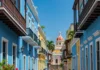





Introduction: Capturing the Magic of Puerto Rico
Puerto Rico offers a visual feast for those passionate about photography, from its sun-drenched beaches to its vibrant city streets and lush rainforests. Every corner of the island presents a new opportunity to create memorable images, whether you are drawn to natural wonders, cultural scenes, or architectural beauty. We invite you to prepare your camera and senses for an experience that will fill your portfolio—and your heart—with unforgettable moments.
Why Puerto Rico Is a Paradise for Photographers
Few destinations rival the diversity and drama of Puerto Rico’s landscapes. The island’s unique mix of tropical forests, rugged mountains, and colonial cities offers endless inspiration for both amateur and professional photographers. Each region boasts its own character, ensuring that no two shots ever feel the same.
What Makes Puerto Rico’s Scenery Unique?
The interplay between historic architecture, wild nature, and colorful urban scenes creates striking contrasts across Puerto Rico. In Old San Juan, pastel-hued buildings line cobblestone streets, while just a short drive away, the dense canopy of El Yunque National Forest hums with life. Along the coasts, crystalline waters and dramatic cliffs set a breathtaking stage for seascapes and sunsets.
Best Times of Year for Photography in Puerto Rico
The island’s tropical climate means there is never a bad time for photographers, but certain months offer optimal conditions. From December to April, the air is drier and the skies clearer, making this the peak season for vibrant, sunlit images. May through November brings lush greenery and fewer crowds, though brief afternoon showers are common—perfect for moody, dramatic shots.
Essential Camera Gear for Your Puerto Rico Trip
Packing the right equipment is key to capturing the full range of Puerto Rico’s beauty. Lightweight gear is recommended, as you will likely be moving between city streets, forests, and beaches.
Must-Have Lenses for Island Photography
A versatile zoom lens (24-70mm) is ideal for city scenes and landscapes, while a wide-angle lens (14-24mm) lets you encompass sweeping vistas or the interiors of historic buildings. For wildlife or distant subjects, a telephoto lens (70-200mm) will help you get closer without disturbing your subject.
Accessories for Shooting in Tropical Climates
The humidity and sudden rain showers in Puerto Rico call for protective gear. We recommend packing:
- Weather-sealed camera bags
- Lens cloths and air blowers for removing moisture and sand
- Polarizing filters to reduce glare and intensify colors
- Extra memory cards and batteries for all-day shoots
Top Tips for Taking Stunning Photos in Puerto Rico
A few practical techniques can elevate your images and help you make the most of Puerto Rico’s dynamic settings. Lighting, timing, and composition are especially important on this vibrant island.
How to Capture Vibrant Colors and Sunsets
To make the most of Puerto Rico’s saturated hues, shoot during the “golden hour” just after sunrise or before sunset. Use a polarizing filter to deepen blue skies and make the greens of the rainforest pop. For sunsets, slightly underexpose your shot to preserve color detail and silhouette palm trees or buildings against the glowing sky.
Best Times of Day for Different Types of Shots
Morning light is soft and flattering for portraits or architectural shots, while mid-afternoon sun can create dramatic shadows in the rainforest. Late afternoon and dusk are perfect for capturing the warm ambiance of plazas and beach scenes. Night photography comes alive in the cities, where neon lights and bustling energy provide endless creative possibilities.
Iconic Old San Juan: Colonial Charm and Colorful Streets
Old San Juan is a treasure trove for photographers, with its cobblestone streets, vivid facades, and centuries-old forts. The interplay of light and color here is irresistible, and every block offers a new composition to explore.
Where to Find the Most Photogenic Streets in Old San Juan?
Calle del Cristo and Calle Fortaleza are two of the most picturesque avenues, lined with pastel buildings and ornate balconies. Early morning offers tranquil scenes with fewer tourists, while late afternoon brings golden light that enhances every hue. For a deeper look at this enchanting city, you can read our feature on San Juan’s spellbinding ambiance.
Capturing San Juan’s Famous Blue Cobblestone Roads
The signature blue cobblestones of Old San Juan, known as “adoquines,” are best photographed after a rain shower when their color deepens and the stones glisten. Kneel low for an immersive angle, leading the viewer’s eye down winding alleys toward colorful doorways or historic landmarks.
Best Spots for Photographing El Morro and Castillo San Cristóbal
Both forts offer panoramic views of the city and sea. For classic shots, position yourself at the base of El Morro’s ramparts or atop the grassy esplanade at sunset, when the golden light bathes the ancient walls. Castillo San Cristóbal’s high vantage points provide sweeping cityscapes and crashing waves below.
Colorful Doors and Balconies: A Photographer’s Dream
Puerto Rico’s tradition of bold, painted doors and ironwork balconies creates endless subject matter for close-up shots. Use a shallow depth of field to highlight textures and colors, isolating a single door or window for maximum impact.
Street Art and Murals: Urban Creativity in Focus
Old San Juan’s neighborhoods are adorned with vibrant murals and graffiti, reflecting the island’s artistic spirit. Seek out Calle San Sebastián and adjacent lanes for the most striking displays, where bold colors and meaningful messages make for captivating urban portraits.
El Yunque National Forest: Lush Rainforest Landscapes
The only tropical rainforest in the U.S. National Forest System, El Yunque is a paradise of towering trees, misty trails, and cascading waterfalls. The forest’s ever-changing light and rich biodiversity offer endless photographic opportunities.
What Are the Best Trails for Scenic Photos in El Yunque?
The La Mina Trail and Mount Britton Trail are among the most scenic, winding through dense foliage and opening onto breathtaking vistas. Early morning is best for soft, filtered light and a gentle chorus of birdsong, while late afternoon brings dramatic shadows and shafts of sunlight piercing the canopy.
Capturing Waterfalls: La Mina and La Coca
Both La Mina Falls and La Coca Falls offer iconic rainforest scenes. Use a tripod and slow shutter speed to create silky water effects, and frame your shot with lush greenery for a sense of scale and wildness.
Wildlife Photography: Birds, Frogs, and More
El Yunque teems with life, from the iridescent Puerto Rican parrot to the tiny coquí frog. A telephoto lens is essential for capturing elusive wildlife without intrusion. Listen for rustling leaves or distinctive calls, and be patient—rewarding moments often come to those who wait quietly.
Tips for Shooting in Rainforest Conditions
Humidity and sudden rain can challenge your gear. Keep equipment in a sealed bag when not in use, and bring a lens cloth to wipe away condensation. Protect your camera with a rain cover and avoid changing lenses outdoors to prevent moisture buildup.
Puerto Rico’s Stunning Beaches: From White Sands to Hidden Coves
With hundreds of miles of coastline, Puerto Rico’s beaches provide endless inspiration for seascapes, portraits, and action shots. Each beach has its own personality, from bustling city shores to tranquil hidden coves.
Which Puerto Rican Beaches Offer the Best Photo Ops?
Flamenco Beach in Culebra is world-renowned for its powdery white sand and turquoise water, while Playa Buyé and Playa Crash Boat offer dramatic sunsets and vibrant local scenes. For a comprehensive look at these scenic coastal spots, explore our guide to Puerto Rico’s best beaches.
Capturing Sunrise and Sunset on the Coast
East-facing beaches like Luquillo are ideal for sunrise, while west coast spots such as Rincón are famed for fiery sunsets. Arrive early to scout your composition, and use a tripod for long exposures that capture the movement of waves and clouds.
Aerial Beach Shots: Using Drones Responsibly
Drones can provide spectacular perspectives of Puerto Rico’s coastline, highlighting the curves of bays and the gradient from sand to sea. Always observe local regulations, avoid crowded areas, and respect wildlife to minimize disturbance.
Bioluminescent Bays: Nighttime Wonders for Photographers
Few experiences are as magical as photographing Puerto Rico’s bioluminescent bays, where microscopic organisms light up the water with every movement. These rare natural phenomena offer a challenge and a reward for night photographers.
Where Are Puerto Rico’s Bioluminescent Bays?
Mosquito Bay in Vieques, Laguna Grande in Fajardo, and La Parguera in Lajas are the island’s three famous bioluminescent locations. Each offers unique conditions and tour options for capturing the glowing waters. For a detailed look at what to expect, see our article on Puerto Rico’s bioluminescent bay experiences.
How to Photograph Bioluminescence Effectively
Photographing bioluminescence requires patience and preparation. Darkness is essential, so plan your visit during a new moon for the brightest glow. Use a tripod and avoid flash, which can disrupt the delicate light.
Recommended Camera Settings for Low Light
Set your camera to a high ISO (1600–3200), use a wide aperture (f/2.8 or lower), and experiment with longer exposures (10–30 seconds) to capture the subtle blue-green shimmer. Manual focus is usually best, as autofocus may struggle in the dark.
Best Tours for Night Photography
Several local operators cater to photographers, offering small-group kayak or boat tours with minimal artificial light. Communicate your needs with guides in advance to secure the best vantage points and sufficient time for long exposures.
Mountain Vistas and Panoramic Views
Puerto Rico’s central mountains offer sweeping vistas and dramatic scenery, rewarding those willing to seek higher ground. Layers of mist, rolling hills, and distant coastlines make for breathtaking panoramic images.
Where to Find the Best Lookouts in Puerto Rico?
The observation tower at Cerro Punta and the scenic route along Ruta Panorámica provide unmatched views across the island. Sunrise and sunset from these vantage points often yield scenes filled with golden light and soft, atmospheric haze.
Photographing the Central Mountain Range
A wide-angle lens will help you capture the full expanse of the Cordillera Central. Look for leading lines—such as winding roads or ridgelines—to draw the viewer’s eye through your composition.
Sunrise and Sunset from the Mountains
High elevations offer clear horizons for both sunrise and sunset. Pack a tripod and prepare for cooler temperatures in the early morning or evening. The shifting light and cloud patterns create ever-changing backdrops for landscape photography.
Island Hopping: Vieques and Culebra’s Photogenic Spots
The islands of Vieques and Culebra are true gems for photographers, with their untouched beaches, crystal-clear waters, and unique wildlife. Each island offers distinct opportunities for both landscape and wildlife shots.
Flamenco Beach: A Caribbean Icon
Flamenco Beach is celebrated for its crescent-shaped bay, soft white sand, and the iconic rusting tanks left as reminders of past military history. The water’s brilliant turquoise hue is especially striking from above or with a polarizer to cut glare.
Wild Horses of Vieques: How to Capture Them
Vieques is famous for its free-roaming horses, often seen grazing against a backdrop of swaying grass and ocean views. Use a telephoto lens to photograph them from a respectful distance, and aim for early morning or late afternoon when the light is warm and soft.
Snorkeling and Underwater Photography
The reefs around Culebra and Vieques are teeming with marine life, offering exceptional opportunities for underwater photography. Bring a waterproof housing for your camera and use natural sunlight to illuminate the vibrant coral and fish. For further tips, our article on Puerto Rico snorkeling tours covers everything you need to know.
Historic Towns and Colorful Plazas
Beyond the capital, Puerto Rico’s smaller towns offer colonial architecture, lively plazas, and a slower pace that encourages thoughtful photography. Each town has its own signature style and palette.
Ponce: Capturing Colonial Architecture
Ponce’s Plaza Las Delicias is framed by the pink-and-white Parque de Bombas and the stately Catedral de Nuestra Señora de Guadalupe. Use wide-angle lenses to capture the scale and grandeur, and focus on intricate details like tiled floors or ironwork.
Mayagüez and Aguadilla: Hidden Gems for Photographers
Mayagüez’s central plaza and Aguadilla’s seaside promenade are less visited but rich in photographic potential. Look for candid moments of daily life, colorful facades, and the interplay of sunlight and shadow across historic streets. For more ideas on off-the-beaten-path locations, you might enjoy our post about hidden gems in Puerto Rico.
Festivals and Street Life: Capturing Puerto Rican Culture
Puerto Rico’s vibrant festivals and daily street life offer endless opportunities for capturing the island’s spirit and energy. The swirl of music, color, and movement provides a lively canvas for photographers.
When Are the Best Festivals for Photography?
Major events like the San Sebastián Street Festival in January and Ponce Carnival in February feature parades, dancers, and elaborate costumes. Arrive early to find a good vantage point and prepare for changing light as festivities move from day into night.
How to Photograph Parades and Street Performances
Use a fast lens and high shutter speeds to freeze motion, and focus on expressive faces or dynamic group shots. Wide apertures (f/2.8 or lower) help isolate subjects from busy backgrounds, while burst mode ensures you capture peak moments of movement.
Puerto Rican Cuisine: Food Photography Tips
Puerto Rico’s culinary scene is as colorful as its landscapes, with dishes that invite close-up, mouthwatering images. Lighting and composition are key for making food shots stand out.
How to Make Local Dishes Look Irresistible on Camera
Natural light is your best friend for food photography. Shoot near a window or outdoors, and avoid harsh flash. Use a shallow depth of field to highlight textures—think crispy tostones or glistening mofongo. Vibrant garnishes and traditional tableware add local flavor to your images.
Best Markets and Restaurants for Food Shots
Santurce’s Mercado La Placita and Old San Juan’s bustling eateries provide both atmosphere and variety. Seek out street food vendors for candid, authentic shots, and don’t be afraid to capture the hands that prepare each dish.
Wildlife and Nature Photography Beyond El Yunque
Puerto Rico’s biodiversity extends far beyond its famed rainforest. From coastal wetlands to mountain forests, the island is a haven for wildlife photographers.
Birdwatching Hotspots for Photographers
The Cabo Rojo National Wildlife Refuge and Humacao Nature Reserve are prime locations for spotting herons, egrets, and migratory species. Bring a telephoto lens and patience for the best results.
Sea Turtles and Marine Life: Where to Find Them
Leatherback and hawksbill turtles nest on beaches such as Playa Grande and Playa Tamarindo. Early morning or late evening offers the best chances to photograph these gentle creatures as they emerge from the surf.
Unique Flora and Fauna of Puerto Rico
From the giant Ceiba tree to endemic orchids and lizards, Puerto Rico’s flora and fauna provide endless macro and landscape subjects. Close-up shots of dew-covered leaves or a butterfly on a blossom can evoke the island’s lush beauty.
Urban Photography: San Juan’s Modern Side
While Old San Juan is celebrated for its colonial charm, the city’s modern neighborhoods offer sleek skyscrapers and energetic streetscapes. This side of San Juan provides a striking contrast for photographers seeking contemporary urban scenes.
Skyscrapers and Cityscapes: Best Angles
Condado and Miramar neighborhoods feature high-rise hotels and offices, best photographed from across the Condado Lagoon or from rooftop bars at dusk. Reflections in water and glass add depth and interest to cityscape shots.
Night Photography in San Juan
The city transforms after dark, with neon signs, bustling nightlife, and illuminated landmarks. Use a tripod and long exposures to capture light trails from traffic or the soft glow of city lights against the night sky.
Street Markets and Local Life
Santurce’s markets and plazas buzz with activity throughout the day. Capture candid moments of vendors, shoppers, and musicians for a sense of the city’s daily rhythm.
Adventure Photography: Surfing, Hiking, and More
Puerto Rico’s adventurous spirit is reflected in its thriving surf scene, challenging hikes, and mysterious caves. Action photography techniques will help you freeze these moments in time.
Where to Capture Action Shots of Surfers
Rincón is the island’s surf capital, with consistent waves and dramatic sunsets. Use a fast shutter speed and continuous focus to capture surfers mid-ride, highlighting the spray and power of the ocean.
Hiking Trails with Stunning Backdrops
The Cueva Ventana trail offers panoramic views of the Arecibo Valley, while Guánica Dry Forest provides sweeping coastal vistas. Early morning hikes reward you with misty light and fewer crowds.
Caving and Underground Wonders
The Río Camuy Cave Park invites photographers to capture otherworldly rock formations and shafts of sunlight piercing the darkness. Use a tripod and wide-angle lens for best results.
Puerto Rico’s Lighthouses: Coastal Landmarks
The island’s historic lighthouses are perched atop cliffs and headlands, offering dramatic settings for coastal photography. Each has a unique architectural style and vantage point.
Which Lighthouses Offer the Best Photo Opportunities?
Cabo Rojo Lighthouse, Fajardo’s Las Cabezas, and Arecibo Lighthouse are among the most photogenic. Arrive during golden hour for soft light and fewer visitors, and experiment with long exposures to blur the crashing waves below.
Tips for Shooting at Sunrise or Sunset
Use a graduated neutral density filter to balance the bright sky and dark foreground, and frame the lighthouse against the colorful horizon. Silhouettes and reflections in tidal pools add creative variety.
Hidden Waterfalls and Swimming Holes
Puerto Rico is dotted with secret cascades and secluded pools, rewarding those willing to venture off the beaten path. These hidden spots provide tranquil scenes and a chance for unique compositions.
How to Find and Photograph Secret Waterfalls
Local guides and community recommendations are invaluable for discovering lesser-known falls such as Charco Azul and Gozalandia. Arrive early for soft light and pristine conditions, and use a tripod for long exposures to capture silky water.
Safety Tips for Remote Locations
Travel in groups, check weather conditions, and pack extra water and snacks. Always respect private property and leave no trace to preserve these natural wonders for future visitors.
Cultural Photography: People and Traditions
Capturing Puerto Rico’s people and traditions adds depth and context to your photographic story. Approach these subjects with curiosity, respect, and sensitivity.
How to Respectfully Photograph Locals
Always ask permission before taking close-up portraits, especially in rural areas or during private ceremonies. A smile and a few words of gratitude in Spanish can go a long way in building trust.
Documenting Puerto Rican Traditions and Crafts
Festivals, artisans at work, and religious events provide rich material for documentary photography. Focus on hands weaving baskets, dancers preparing costumes, or families sharing a meal to tell a more intimate story.
Instagrammable Spots: Social Media Hotspots
Puerto Rico’s most photogenic locations often find their way onto social media feeds, but there are countless lesser-known corners waiting to be captured and shared.
Most Popular Locations for Instagram Photos
Old San Juan’s umbrella-filled Calle Fortaleza, the colorful steps of La Perla, and the swing at Playa Sucia are among the island’s most Instagrammed spots. Arrive early or late to avoid crowds and capture the scene in the best light.
Hidden Gems Off the Beaten Path
Seek out quiet beaches, mountain lookouts, and rural towns for unique backdrops that set your images apart. Engage with locals and be open to spontaneous moments—sometimes, the best photo opportunities come from unexpected encounters.
Travel Photography Safety and Etiquette in Puerto Rico
Protecting your equipment and respecting local customs are essential for a successful photography trip. A few precautions can help you focus on creativity rather than worry.
How to Protect Your Gear While Traveling
Use padded, lockable camera bags and avoid leaving gear unattended. Carry a microfiber cloth for cleaning lenses and a rain cover for sudden showers. Back up your images each evening to avoid loss.
Cultural Sensitivity and Responsible Photography
Be mindful of private property, religious sites, and sacred spaces. Always ask before photographing people or sensitive events, and respect any requests for privacy. As experts often say:
“Photography is not just about capturing images; it’s about building connections, understanding stories, and honoring the people and places we photograph.”
Editing and Sharing Your Puerto Rico Photos
Thoughtful editing and presentation can transform your favorite shots into lasting memories and engaging stories. The right tools and platforms make sharing your work easy and rewarding.
Best Apps and Tools for Photo Editing
Popular mobile apps like Lightroom, Snapseed, and VSCO offer powerful editing features for adjusting color, contrast, and sharpness. Use presets to maintain a consistent style, and fine-tune highlights and shadows to bring out details in your images.
How to Create a Stunning Photo Album or Gallery
Organize your images by theme, location, or story, and pair them with brief captions to enhance the narrative. Online platforms and print services allow you to create beautiful digital galleries or physical albums to share with friends and family.
Conclusion: Making Memories with Puerto Rico’s Best Pictures
Every photograph you take in Puerto Rico is a testament to the island’s extraordinary beauty and spirit. Whether you are drawn to sweeping landscapes, vibrant city scenes, or intimate cultural moments, your images will serve as lasting reminders of your journey. If you are planning your own photographic adventure, Puerto Rico Tour is an excellent resource for inspiration and practical advice. May your camera capture not just the sights, but the soul of this remarkable island.